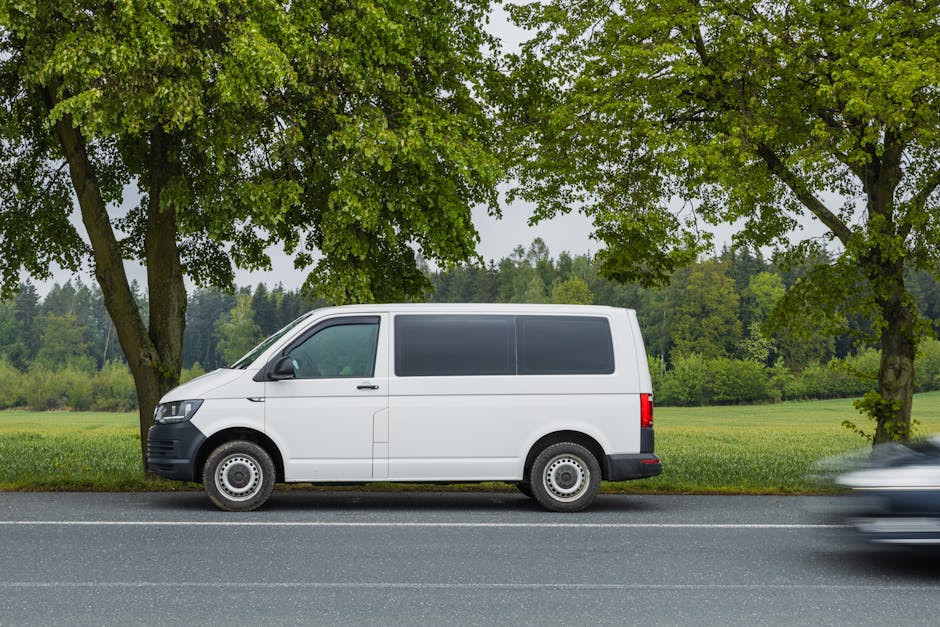
Compare Van Sizes for West Green Flat Moves
Flat moves in West Green can look simple from the outside: a few boxes, a sofa, maybe a bed, and you're done. Then moving day arrives, and suddenly the hallway feels tighter, the lift is smaller than you remembered, and the van you picked either swallows everything with room to spare or leaves you doing a second trip you really did not want. That is why it pays to compare van sizes for West Green flat moves before you book anything.
Choosing the right vehicle is not just about saving money. It affects parking, loading time, stair access, lift usage, the number of trips, and how calmly the whole move unfolds. In a place where flats, terraces, and tighter streets can make logistics a bit fiddly, the difference between a compact van and a larger removals vehicle can be the difference between an easy move and a very long day. This guide breaks it all down in plain English, so you can choose with confidence.
Practical summary: the best van size is the one that fits your load, your building access, and your street conditions without paying for space you will never use. Bigger is not always better. Sometimes it is just bulkier, pricier, and more awkward.
If you are planning a home move, a student flat shift, or a small family relocation, you may also want to look at home moves, man and van, or the wider removals options available on the site.
Table of Contents
- Why Compare Van Sizes for West Green Flat Moves Matters
- How Compare Van Sizes for West Green Flat Moves Works
- Key Benefits and Practical Advantages
- Who This Is For and When It Makes Sense
- Step-by-Step Guidance
- Expert Tips for Better Results
- Common Mistakes to Avoid
- Tools, Resources and Recommendations
- Law, Compliance, Standards, or Best Practice
- Options, Methods, or Comparison Table
- Case Study or Real-World Example
- Practical Checklist
- Conclusion
- Frequently Asked Questions
Why Compare Van Sizes for West Green Flat Moves Matters
Van size affects far more than storage space. It changes the whole rhythm of the move. A smaller van may fit better on a narrow residential street, but if your flat has a surprising amount of furniture or awkward items, it can mean multiple journeys. A larger van may cut down trips, though it can be harder to park, load, or position close to the entrance. That can matter a lot when you are carrying heavy pieces down stairs or waiting on a lift that seems to have its own opinions about the day.
West Green flat moves often involve a mix of practical constraints: shared entrances, limited parking, short loading windows, and building rules that make timing important. You do not want to discover, halfway through loading, that your wardrobe needs dismantling or that your mattress will only fit if the van is laid out very carefully. Comparing van sizes early helps you match the vehicle to the real move, not the idealised version in your head.
It also matters for cost control. Booking more van than you need can feel safe, but you may pay for unused capacity. Booking too little can cost more once extra time, extra labour, or a second trip is added in. To be fair, the middle ground is usually where the sensible answer lives.
For people who want a service built around the move rather than just the transport, man with van, man with a van, and removal van pages can be useful starting points when comparing support levels and vehicle styles.
How Compare Van Sizes for West Green Flat Moves Works
The process is simpler than many people expect. You list what needs moving, estimate how much space it will take, then compare that load against the usable space in common van types. The key word there is usable. A van might have a large body on paper, but wheel arches, headroom, and awkward item shapes all affect how much you can actually fit inside.
A good comparison starts with three questions:
- How many rooms are being moved?
- What are the largest items?
- What does the access look like at both properties?
That last point is easy to miss. In flat moves, access can decide the vehicle just as much as item volume does. A van that seems perfect may still be a poor choice if it cannot stop near the entrance, or if the street makes turning difficult. A smaller van may be easier to place close to the building, which reduces carrying distance and speeds everything up.
Think of van sizing as a balancing act between volume, convenience, and manoeuvrability. You are not just fitting stuff into a box on wheels. You are planning how the move will actually happen on the day, with real stairs, real traffic, and real people standing in the way for just a moment too long.
If you want help from a team that handles this kind of planning every day, the site's movers and removal services pages are worth a look alongside the pricing guidance in pricing and quotes.
Key Benefits and Practical Advantages
Comparing van sizes properly gives you a clearer move and fewer surprises. That alone is worth it. But there are some specific advantages that matter in flat relocations.
- Fewer trips: A correctly sized van can reduce back-and-forth runs, which saves time and energy.
- Better cost control: You are less likely to overpay for unused space or underbook and need extra time.
- Safer loading: When items fit properly, they are less likely to shift around during transit.
- Smoother access: A van that suits the street can be easier to park, reverse, and unload near your building.
- Less stress: A realistic plan makes moving day feel organised instead of improvised.
There is also a less obvious benefit: confidence. When you have already compared van sizes against your furniture list, you stop second-guessing yourself. You know why you picked the vehicle, which is oddly reassuring when the kettle is packed and the broadband has already been disconnected. Little wins.
For especially tight jobs, a moving van may be enough. For more demanding flat moves, especially when you have bulky items or a larger number of boxes, checking moving truck and removal truck hire options can help you understand the upper end of what is available, even if you do not need it in the end.
Who This Is For and When It Makes Sense
This approach makes sense for almost anyone moving out of a flat, but it is especially useful for people in a few common situations.
- Studio or one-bed flat movers: You usually do not need a massive vehicle, but furniture shape can still surprise you.
- Students or first-time renters: A small to medium van often suits the load, especially if you are moving mostly boxes and lighter furniture.
- Couples sharing a flat: Two wardrobes, two desks, two sets of everything. It adds up fast.
- Families downsizing: You may have fewer rooms to move, but larger furniture can make a compact van impractical.
- Remote workers: Desks, monitors, office chairs, and equipment can be awkward even when the overall volume is modest.
It also makes sense if your flat has any of the usual complications: no lift, long corridors, limited parking, or awkward stair turns. I have seen one sofa look harmless in the hallway and then become the main character of the day when it would not take the corner. Honestly, furniture can be very dramatic.
If your move includes shared items, storage, or one-off pickup pieces, you may also want to review furniture pick up as part of your planning.
Step-by-Step Guidance
Here is a practical way to compare van sizes without overcomplicating it.
- List every large item first. Start with beds, wardrobes, sofas, tables, white goods, and anything oddly shaped.
- Add the box count. Boxes stack efficiently, but only up to a point. Heavy boxes are not the same as light ones.
- Measure awkward items. A mattress, a dining table, or a tall bookcase can be the thing that determines the van.
- Check access at both properties. Look at stair width, lift size, entrance steps, parking distance, and loading restrictions.
- Match the load to a van size range. Do not choose only by price; choose by fit and practicality.
- Allow a small buffer. A little extra room is helpful, but a huge amount is usually wasteful.
- Ask about loading help if needed. If you are moving heavy furniture, labour matters almost as much as vehicle size.
One useful habit is to take photos of each room before you book. Not glamorous, I know, but it helps. A quick set of pictures usually gives a far better estimate than trying to remember later whether the desk was "small" or "sort of medium, maybe."
If you are moving into a flat and expecting packing support too, the page on packing and unpacking services can help you think through how much of the job you want handled for you.
Expert Tips for Better Results
When people get van sizing wrong, it is usually because they focus on volume alone. In practice, these details matter just as much:
- Prioritise long items first. Sofas, mattresses, mirrors, and wardrobes can block more compact items from fitting neatly.
- Use flat-pack logic. If furniture can be dismantled, the size decision gets easier and often cheaper.
- Think in layers. Boxes go low and high around solid furniture; fragile items need protected gaps.
- Plan for access time, not just travel time. A short journey can still become a long move if the loading area is awkward.
- Keep the essentials separate. Kettle, medication, chargers, documents, and one change of clothes should not end up buried under a sofa cushion.
One more thing: if you are comparing quotes, make sure you understand whether the price assumes a single trip or allows for extra runs. That tiny detail can change the real cost more than people expect. It sounds obvious once you say it out loud. Before that, not always.
For a clearer idea of service quality and what is included, take a look at about us, insurance and safety, and the practical standards described in health and safety policy.
Common Mistakes to Avoid
Most problems with van choice are completely avoidable. The usual slip-ups are predictable, which is actually good news because they are easy to fix.
- Guessing the size from memory. "I think it fits in one van" is not a plan. It is a feeling.
- Ignoring building access. A good van size on paper can be the wrong choice if the property is hard to reach.
- Forgetting heavy or bulky items. One sofa or mattress can change the whole loading layout.
- Booking too small to save a bit of money. That often backfires into extra labour, stress, or extra travel.
- Assuming all vans are packed the same way. Internal shape varies, and not every vehicle uses space equally well.
Another common mistake is overthinking the tiny details while ignoring the big ones. People will spend ten minutes wondering whether three boxes are enough to justify a larger van, then completely overlook a chest of drawers that clearly will not go through the hall without dismantling. The big items come first. Always.
Tools, Resources and Recommendations
You do not need specialist equipment to make a sensible van comparison, but a few simple tools help a lot.
- Measuring tape: For sofas, beds, wardrobes, and awkward corners.
- Room-by-room inventory: A plain list is often better than a rough estimate.
- Phone photos or short videos: Especially useful for layout, stairs, and access points.
- Simple floor plan sketch: Even a rough one can help you see what needs to go first.
- Quote comparison notes: Write down whether labour, mileage, waiting time, and loading support are included.
On the service side, useful pages to review include pricing and quotes, removals near me, and man and van removals. If you are moving business equipment rather than household furniture, commercial moves and office removals are more relevant starting points.
Law, Compliance, Standards, or Best Practice
For a flat move in London, there is usually no special legal rule that says you must book a particular van size. The more relevant issues are practical and safety related. You still want the move to be handled properly, with attention to safe lifting, secure loading, suitable parking, and respectful handling of your belongings.
Best practice in the removals industry usually means a few sensible things:
- items are loaded so they do not move around during transit;
- heavy furniture is handled with care to reduce injury risk;
- the vehicle used is suitable for the load and access conditions;
- any quoted service terms are clear before the move starts;
- customers know what is included and what may cost extra.
If you are checking a mover's credibility, service pages such as terms and conditions and payment and security can help you understand the booking process and how expectations are set. That kind of clarity is not flashy, but it matters. A lot.
From a safety perspective, it is also sensible to work with providers who clearly set out how they manage transport risks, insurance, and handling standards. If a company takes those basics seriously, that usually tells you a lot about how the move itself will be managed.
Options, Methods, or Comparison Table
Here is a simple comparison to help you think through typical van choices for flat moves. The exact internal dimensions can vary, so treat this as a practical guide rather than a fixed rulebook.
| Van size | Best for | Typical strengths | Possible drawbacks |
|---|---|---|---|
| Small van | Studio flats, a few boxes, light furniture | Easier parking, nimble on tight streets, lower capacity needs | Can require extra trips, limited for bulky items |
| Medium van | 1-bed flats, mixed furniture and boxes | Good balance of capacity and manoeuvrability | May still be tight for wardrobes, large sofas, or white goods |
| Luton-style or large removals van | 2-bed flats, bulkier furniture, fuller moves | Much more space, often better for one-trip moves | Harder to park, more awkward on narrow roads, may be overkill for small loads |
In many West Green flat moves, the medium van is the sweet spot. Not always, but often. If the move is light, a small van can be enough. If the furniture is large or the flat is packed top to bottom, a larger removal van starts to make more sense. That middle lane is where the sensible jobs tend to sit.
If you are unsure which route is right, browsing the broader moving van, removal van, and removals van pages can help you frame the decision without overcomplicating it.
Case Study or Real-World Example
Here is a realistic example. A couple moving from a one-bedroom flat in West Green had a bed frame, mattress, two small wardrobes, a sofa, a dining table, around twenty boxes, and a bike. At first glance, they assumed a small van would do the trick because the flat itself looked modest. Once they listed the items properly, though, the sofa and wardrobes changed the picture. The entrance had a short flight of stairs and limited curb space, so parking a huge van would have been awkward.
After comparing the likely load against van sizes, they settled on a medium van with careful loading and dismantled furniture. That choice meant one trip, no drama, and less time carrying items down the stairs. The move still took effort, of course. It always does. But it was tidy, predictable, and finished without the rush that comes from realising halfway through that the vehicle is too small.
The key lesson from that sort of move is simple: the shape of the furniture matters as much as the number of items. One bulky sofa can take up space like three neat stacks of boxes. That is where many people underestimate things.
Practical Checklist
Use this checklist before you book a van for a flat move in West Green.
- List every large item, not just the boxes.
- Measure sofas, beds, wardrobes, and other awkward furniture.
- Check whether items can be dismantled.
- Review stair access, lift size, and corridor width.
- Confirm parking access and loading distance.
- Decide whether you need one trip or can accept more than one.
- Ask what labour support is included.
- Compare the practical fit, not just the headline price.
- Keep essential items separate for the day of the move.
- Review booking terms before confirming.
If the move is time-sensitive or part of a bigger relocation, it is also sensible to speak to a removal company or review the broader removal companies options to see what level of support suits the job.
Conclusion
Comparing van sizes for West Green flat moves is really about making the move fit your life, your building, and your budget. Once you look beyond the simple question of "How much fits?", the better question becomes "What will make moving day feel smooth, safe, and manageable?" That is where the right answer usually appears.
For a small flat with light furniture, a compact van may be perfect. For a fuller one-bed or a packed two-bed, a medium or larger removal van may save time and reduce stress. The best choice is not the flashiest one. It is the one that gives you enough room, sensible access, and a move that stays under control.
And if you are still weighing things up, that is perfectly normal. Flat moves have a way of looking simple until you stand in the hallway with a mattress and a tape measure. Breathe. Measure twice. Book once.
Get a free quote today and see how much you can save.
Frequently Asked Questions
What van size is best for a West Green flat move?
For many one-bedroom flats, a medium van is the most practical choice. Smaller loads may fit in a compact van, while larger or fuller flat moves often need a larger removals van. The best option depends on furniture size, box count, and access.
How do I know if I need a small or medium van?
If you are mainly moving boxes, a bed, and a few lightweight items, a small van may be enough. If you have a sofa, wardrobes, a dining set, or several bulky pieces, a medium van is often the safer bet.
Should I choose a bigger van to be safe?
Sometimes, but not always. A larger van gives you more room, yet it can also be harder to park and may cost more than you need to spend. It is usually smarter to match the van to the actual load with a little buffer, not a huge one.
Can a flat move in West Green need more than one trip?
Yes, especially if you choose a smaller van or the move includes bulky furniture. Multiple trips are not ideal, but they can work if the distance is short and the booking allows for it. Still, one well-sized van is usually easier.
What items make van size harder to judge?
Sofas, mattresses, wardrobes, mirrors, large desks, and white goods are the usual troublemakers. They take up more space than people expect and can change the layout inside the van quite a bit.
Does access matter as much as the amount of stuff?
Absolutely. Narrow stairs, small lifts, limited parking, and long carrying distances can make a larger van less practical. Sometimes a slightly smaller van parked closer to the entrance is the better choice overall.
Is it cheaper to hire a smaller van for a flat move?
Usually, yes on paper. But if a smaller van means extra trips or extra labour time, the final cost can rise. That is why comparing van sizes properly helps you avoid a false economy.
Do I need packing help as well as the van?
If you have fragile items, limited time, or a lot of boxes, packing support can make a big difference. It also helps when you want furniture and loose items organised properly before loading. The packing and unpacking services page is useful if that applies to you.
What should I prepare before asking for a quote?
Have a room-by-room list, approximate item sizes, a box count, and notes on access at both properties. Photos help too. The more accurate the information, the more useful the quote is likely to be.
Are removals vans and moving vans the same thing?
People often use the terms loosely, but they can refer to different vehicle types or service styles. A removals van often suggests more space and a more structured service, while a moving van may be used more broadly. The important thing is checking the actual capacity and what is included.
What if I am moving from a top-floor flat with no lift?
Then access becomes a major part of the decision. You may want a van that allows for efficient loading and unloading close to the building, plus enough labour support to make the stairs manageable. In that kind of move, vehicle size and manpower work together.
Where should I start if I want help choosing?
Start with the move itself: what you own, what is awkward, and how the building is laid out. Then compare the service pages for man with van removal, removals, and pricing and quotes so you can match the vehicle to the job with fewer surprises.