Noise Curfews & Moving Times in West Green (Council Guide)
Planning a move in West Green can feel straightforward right up until you hit the practical stuff: noisy stairwells, tight parking, neighbours who work nights, and the awkward question of when it is actually sensible to unload a van. That is where Noise Curfews & Moving Times in West Green (Council Guide) becomes useful. It is not just about being polite, though that matters. It is about keeping your move moving, avoiding complaints, and making sure you are not scrambling because a van arrived too early or a sofa came off the ramp too late.
This guide breaks down how moving times and noise expectations usually work in a London neighbourhood like West Green, what to check before move day, and how to keep things calm if your building is already a bit sensitive to sound. Truth be told, a few simple choices can save you a lot of stress.
Why Noise Curfews & Moving Times in West Green (Council Guide) Matters
Most people do not think about noise curfews until they are halfway down the stairs with a mattress or trying to reverse a van into a narrow road at 7:15 in the morning. Then it becomes very real, very quickly.
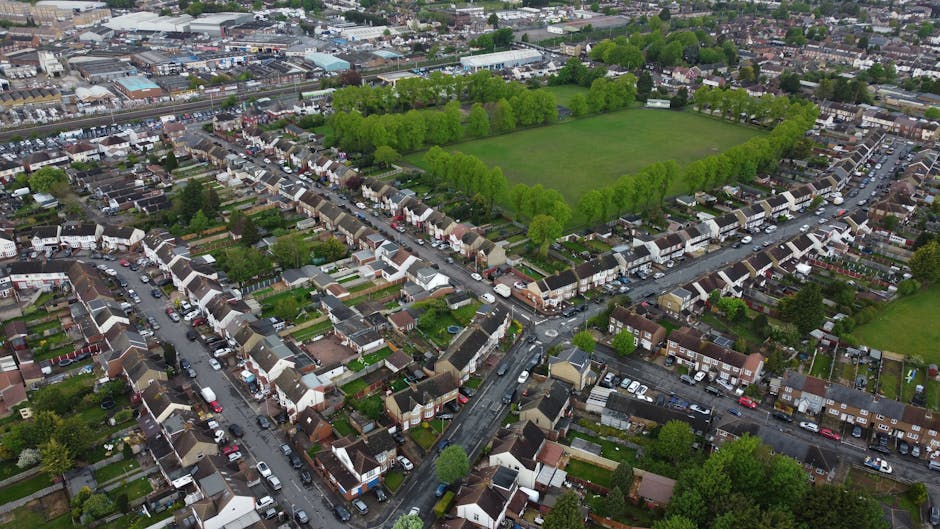
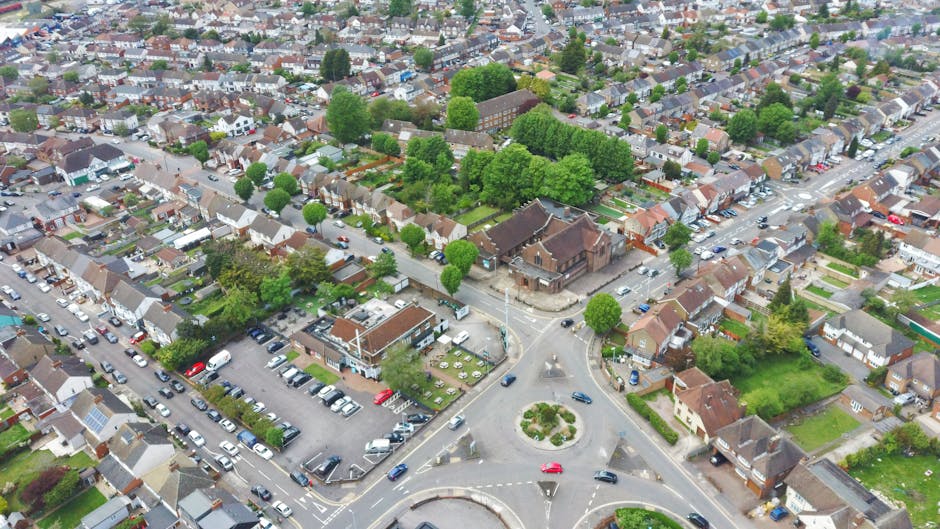
In West Green, moving times matter because residential streets often sit close to flats, terraced homes, shared hallways, and school runs. A move that starts too early can wake neighbours, clash with building rules, or create parking pressure before the street is properly awake. Start too late, and you may end up lifting heavy furniture in the dark, with less flexibility for delays. Neither option is ideal.
Noise curfews matter for a similar reason. Even if a council rule is not written in bold letters on the wall, there is usually a strong expectation that loud activity stays within reasonable hours. That includes slamming van doors, dragging furniture, using trolleys over paving, and loading items with a bit too much enthusiasm. Let's face it, a removal job can sound like a mini building site if nobody plans it properly.
If you want to avoid last-minute friction, it helps to think about moving as a coordination problem, not just a transport problem. That is especially true if your move is part of a wider plan involving decluttering, packing, or short-term storage. In that case, a calm lead-up matters just as much as move day itself. Guides like effective decluttering strategies for moving and how to organise and pack like a pro can make the timing side much easier to manage.
How Noise Curfews & Moving Times in West Green (Council Guide) Works
The simplest way to understand it: there are usually three layers of guidance to consider.
- Neighbourhood expectations - what is considerate in a residential street, shared block, or terrace.
- Property or building rules - lease conditions, concierge rules, lift booking slots, or management instructions.
- Local parking and access realities - whether the van can stop nearby, how long it can stay there, and whether the route in and out is clear.
For most West Green moves, the practical question is not "Can I move at all?" but "What time keeps the move smooth without creating avoidable noise or delay?" That usually means aiming for a sensible daytime window, leaving enough time for loading, and avoiding rushed starts that turn into noisy chaos. A short, well-planned move at 9:00 a.m. is often kinder than a frantic 6:30 a.m. lift with everyone half-awake.
Noise is not only about volume. It is also about duration and predictability. A few careful trips with soft-heeled shoes and a padded trolley is one thing. Constant banging for three hours is another. If you are moving bulky items, it is worth reading practical advice such as why kinetic lifting is essential for modern movers and efficient solo techniques for heavy lifting so the job feels controlled rather than noisy.
A useful rule of thumb: the more awkward the item, the more important timing becomes. Large wardrobes, bed frames, appliances, and pianos are exactly the jobs where a bit of planning prevents a lot of noise. If you are moving specialist items, the extra prep is worth it. A quiet move is often simply an organised one.
Key Benefits and Practical Advantages
Respecting moving times and noise expectations is not about being overly cautious. It gives you real advantages.
- Less neighbour friction - no one enjoys a tense hallway conversation on move day.
- Better access - you are more likely to secure easier loading and unloading when the street is calmer.
- Fewer delays - if you plan for realistic times, you are less likely to get caught out by traffic, parking, or building access rules.
- Lower risk of damage - rushed lifting and noisy dragging often go hand in hand with scratched floors and scuffed walls.
- Less stress for you - a quieter move usually feels more controlled, and that calm matters more than people admit.
There is also a subtle benefit people overlook: goodwill. If neighbours see that you are trying to move considerately, they are more likely to be patient if something unexpected happens. A blocked doorway or a delayed lift booking is much easier to handle when you have not already annoyed the whole building. Small thing, big difference.
For many households, this also ties into broader move planning. If you are trying to keep things tidy and swift, it can help to read about achieving serenity during your house move and quick and easy home cleaning tips before a move. Clean, labelled, and ready-to-go items create less fuss when the van arrives.
Who This Is For and When It Makes Sense
This guidance is useful for almost anyone moving in or out of West Green, but a few groups benefit especially:
- Flat movers who share stairwells, lifts, or communal entrances.
- Families in terraced homes where the pavement is close to the front door and noise carries easily.
- Students working to a fixed handover time or fitting everything into a narrow moving window.
- Office relocations where building access and business hours shape the timetable.
- Anyone using a man and van or removal team who needs to coordinate parking and loading without upsetting neighbours.
It also makes sense when you are juggling extra complications, such as a same-day move, bulky furniture, or storage. If your belongings need to be held for a day or two, a route that feels simple on paper may need a little more breathing room in real life. Services like storage in West Green and urgent bulky waste moves in West Green can help you separate the "must move now" items from the "can wait until later" items.
One practical example: a tenant leaving a first-floor flat in a shared building may think they need only an early start. In practice, it can be smarter to book a mid-morning slot. Why? Because the lift is more likely to be free, the street is easier to access, and you are less likely to trigger a complaint before the day has even properly started. That is the kind of detail that sounds minor until you are the one carrying boxes.
Step-by-Step Guidance
If you want a smooth, low-noise move in West Green, use this process.
- Check your building rules early. If you live in a block, ask about lift bookings, loading restrictions, hallway protection, and any preferred moving hours.
- Look at the street itself. Is there space for the van to stop? Is the road narrow? Will bin collection day make things more awkward?
- Choose a sensible loading window. In most cases, a daytime start is safer and quieter than an early rush or a late finish.
- Pack for speed. Everything labelled, boxed, and ready reduces the amount of time doors are open and items are moved repeatedly.
- Protect the route. Use coverings where needed, especially in hallways and stairs.
- Brief everyone involved. Make sure helpers know which items are heavy, fragile, or awkward before the lift begins.
- Load strategically. Put larger items in first, then fill around them. That keeps the flow efficient and cuts unnecessary shuffling.
- Keep a clean exit plan. Have keys, parking details, and building access sorted before the team starts carrying items out.
There is no glamorous part to this. But there is a very noticeable difference between a move that feels steady and one that sounds like furniture is being launched into orbit. A bit dramatic, maybe, but you get the point.
If you are dealing with large beds or mattresses, it is worth preparing those items separately and properly. The same applies to storage pieces. For more item-specific help, see navigate bed and mattress moves like a pro and optimal sofa storage tips.
Expert Tips for Better Results
In our experience, the quietest moves are rarely the luckiest ones. They are the best prepared.
- Book around the building, not just the van. If your lift is only available after 10:00, do not fight that timetable.
- Avoid "one more quick task" behaviour. That is how people lose their rhythm and start making more noise than needed.
- Use soft items as buffers. Blankets, towels, and padding can reduce impact sounds and protect surfaces.
- Keep a single staging area. If boxes are scattered across the flat, everyone ends up walking back and forth more often.
- Plan the largest items first. Wardrobes, beds, and appliances tend to dictate the noise level, so handle them early while everyone still has energy.
- Think about the route out of the building. Tight bends and narrow stairs are where knocks happen.
One small but useful tip: tell helpers to pause before turning corners with long items. It sounds obvious. People still forget. And then the wall gets a little tap, which is all it takes to create that awful "oops" sound in a stairwell.
If you are moving valuables or instruments, specialist handling matters even more. A quieter, steadier approach is usually safer. That is why some moves benefit from dedicated support such as the case for hiring piano movers.
Common Mistakes to Avoid
Most moving problems around noise and timing come from a few predictable mistakes.
- Starting too early because you want to "get it over with".
- Underestimating parking time and leaving the van circling the area while everyone waits.
- Ignoring building restrictions on lifts, loading bays, or communal access.
- Using loud shortcuts like dragging items across floors instead of lifting them properly.
- Leaving packing until the last minute, which forces a rushed, noisy finish.
- Assuming a small move can be casual - even one bedroom's worth of items can turn noisy if it is not organised.
Another common one: people forget that the route matters as much as the room. If you are moving through a narrow terrace, a tight entrance, or a shared stairwell, the chances of noise and damage go up. It is worth reading avoid damage in narrow West Green terraced homes before you start carrying anything heavy.
And yes, one more thing. Do not assume a last-minute same-day move gives you a pass on planning. That is exactly when planning becomes even more valuable.
Tools, Resources and Recommendations
You do not need fancy equipment to respect noise curfews and moving times, but a few basics make life easier.
| Item or resource | Why it helps | Best used for |
|---|---|---|
| Furniture blankets | Reduces impact noise and protects surfaces | Sofas, tables, wardrobes |
| Trolley or sack barrow | Limits repeated lifting and dragging | Boxes, appliances, heavier loads |
| Box labels | Speeds loading and unloading | All room-based packing |
| Doorway and floor coverings | Protects shared areas in blocks and flats | Stairs, hallways, entrances |
| Parking plan | Prevents time wasted searching for access | Street-side loading in West Green |
Some local moves are much easier when you have the right service rather than trying to force a mismatch. If you need more hands, compare options such as man with a van West Green, man and van West Green, or a more structured removals West Green service. For bigger or more complex home moves, a dedicated house removals West Green option may be the calmer route.
For people moving from student accommodation, timing can be especially tight. If that sounds like you, a useful nearby read is student move-in tips from Turnpike Lane to West Green.
Law, Compliance, Standards, or Best Practice
Because moving times and noise can touch on residential disturbance, it is wise to work to a cautious, reasonable standard even when a specific council rule is not sitting in front of you. The safest approach is usually:
- keep noisy loading to daytime hours;
- follow building management instructions;
- check any access or parking restrictions before the move;
- avoid blocking shared entrances for longer than necessary;
- keep noise to a minimum in communal spaces.
If your move involves a van stopping near the property, parking and access become part of the compliance picture too. A perfectly timed lift is still a problem if the vehicle is positioned badly or left where it should not be. It is smart to prepare by reading Haringey Council permits for West Green moving vans and avoid fines: West Green parking rules for removals.
Where home contents, business property, or shared areas are involved, good practice also includes sensible handling, adequate insurance, and clear communication. You do not need to overcomplicate it. Just be careful, organised, and realistic about timing. That usually keeps everyone happier.
Options, Methods, and Comparison Table
Not every move needs the same approach. Here is a simple comparison to help you choose a method that fits your situation.
| Method | Best for | Noise level | Planning needed |
|---|---|---|---|
| Early DIY move | Very small loads, flexible schedules | Can be high if rushed | Moderate |
| Daytime man and van | Smaller flats, quick relocations | Usually manageable | Low to moderate |
| Full-service removals | Family homes, heavier furniture, more items | Often lower due to efficiency | Higher upfront, easier on the day |
| Split move with storage | Staged moves, delayed handovers, complex access | Usually controlled | Higher, but more flexible |
If you are deciding between speed and calm, calm often wins. It sounds unexciting, I know. But a measured schedule usually means fewer mistakes and fewer repeat trips. For a move that needs flexibility, same day removals West Green may still work - just be careful to build in enough time for access, parking, and any building rules.
Case Study or Real-World Example
A typical West Green move might look like this: a couple leaving a first-floor flat with a shared entrance, a narrow stairwell, and a van booked for mid-morning. The building manager asks for careful use of the lift, and a neighbour mentions they work nights. Nothing dramatic, just normal London life.
Instead of rushing at dawn, they choose a later loading slot. Boxes are labelled by room. The sofa is wrapped properly. The bed frame is dismantled the evening before, which saves time and avoids scraping the hallway walls. The team takes the larger items first, then the boxes, and keeps the corridor clear between trips.
What changes? Not just the noise. The whole move feels less frantic. There are fewer awkward pauses while someone hunts for tape or a lost key. The van is parked once, loaded once, and gone. By lunchtime, the flat is empty and the neighbours are still on speaking terms. That last bit matters more than people think.
In that sort of move, a little prep goes a long way. A lot, actually.
Practical Checklist
Use this checklist to keep your move within sensible noise and timing limits.
- Confirm your move date and preferred time window.
- Check building rules, lift bookings, and access instructions.
- Review parking options near the property.
- Warn neighbours if the move could involve a short burst of noise.
- Pack and label boxes before move day.
- Dismantle bulky furniture in advance where possible.
- Protect hallways, floors, and doorframes.
- Prepare a clear staging area inside the property.
- Keep fragile and awkward items separate.
- Plan for storage if your handover timing is tight.
- Have keys, phone, and booking details ready.
- Make sure everyone involved knows the route out.
If your move is tied to a student handover, a first rental, or a last-minute relocation, this list is even more useful. Small details become big details very quickly on the day.
Conclusion
Noise curfews and moving times are not about making moving harder. They are about making it smoother, safer, and a lot less stressful for everyone around you. In West Green, where access, parking, and neighbour awareness can all shape a move, a sensible schedule is one of the simplest ways to protect the day.
The best moves are usually the ones that feel almost boring in hindsight. No shouting, no rush, no surprise complaints. Just a steady flow from one home to the next, with enough care to keep things respectful. That is the goal here, really.
If you are still planning the practical side, it may help to explore the wider move-support content on packing, furniture handling, and local access planning before booking your slot.
Get a free quote today and see how much you can save.
Frequently Asked Questions
What are noise curfews for moving in West Green?
Noise curfews are the practical limits on how much disturbance you should create, especially in residential streets and shared buildings. For moving, that usually means avoiding early-morning or late-night noise and keeping loading as calm and brief as possible.
What time is best to move house in West Green?
For most people, a daytime slot works best. Mid-morning is often a sensible compromise because neighbours are awake, access is easier, and there is less pressure to rush before traffic or building rules become awkward.
Can I move very early in the morning?
You might be able to, depending on your building rules and local conditions, but early starts can create avoidable noise and neighbour complaints. Unless you have a very specific reason, a more considerate daytime move is usually safer.
Do flats and terraces have different noise expectations?
Yes, in practice they do. Flats often involve shared hallways, lifts, and thinner sound transfer, while terraced homes can still carry sound through close entrances and narrow streets. Both need careful timing, but flats usually need more attention to communal areas.
How do I keep my move quieter?
Pack in advance, use padded protection, avoid dragging items, and plan the route before lifting starts. A well-organised move creates much less noise than a rushed one. It sounds simple because, well, it is.
What should I check before booking a moving time?
Check building access rules, parking space, lift bookings, handover times, and whether any neighbours might be affected by the move. If you are using a van, make sure the vehicle can stop close enough without causing parking problems.
Is a same-day move more likely to create noise issues?
Not necessarily, but same-day moves often feel tighter, which can lead to rushed handling and more noise. If you choose this route, extra planning matters. A calm same-day move is possible, just less forgiving.
What if my building has quiet hours or moving restrictions?
Follow them. Building rules are often more specific than general expectations, and they can include lift use, loading windows, or hallway protection. If you ignore them, even a small move can become a bigger problem than it needs to be.
Can I use storage if my moving times do not line up?
Yes, and that is often a smart solution. Storage can bridge the gap between tenancy dates, access slots, or slow handovers. It is especially helpful if you want to avoid a noisy, rushed finish on move day.
Do removal companies help with timing and noise planning?
Good ones do. They should be able to help you choose a practical slot, think through access, and reduce unnecessary handling. If you want a more structured approach, look at services like removals, man and van, or house removals depending on the size of your move.
What are the biggest mistakes people make in West Green moves?
The biggest mistakes are starting too early, underestimating parking, ignoring building rules, and leaving packing until the last minute. Those four issues create most of the noise and stress people want to avoid.
How do I know whether I need permits or parking help?
If the van needs to stop near your property, especially on a busy or narrow street, it is worth checking parking arrangements before the day. Local permit or parking guidance can save a lot of hassle and help you avoid an expensive mistake.
What is the simplest way to make a move feel less stressful?
Choose a sensible time, pack early, and keep the route clear. That combination removes a surprising amount of pressure. Honestly, the quieter the plan, the calmer the day usually feels.