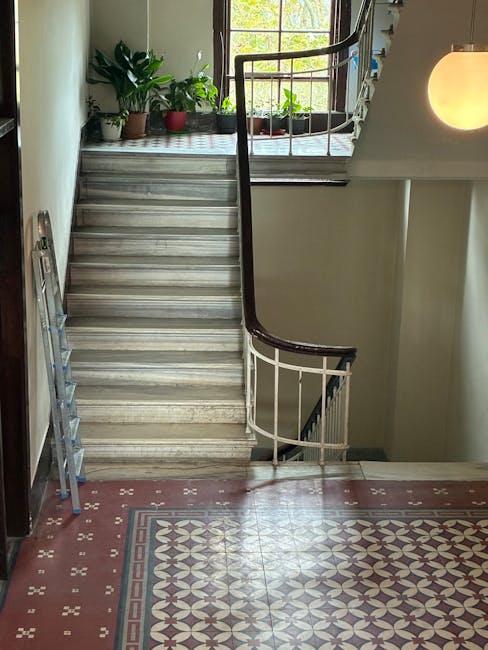
West Green Road stair and lift access for flat removals: a practical guide for smoother flat moving day
If you are planning a flat move on West Green Road, the big question is usually not the van. It is the stairs, the lift, the corridor, the awkward corner at the landing, and whether the sofa will actually fit through without a drama. West Green Road stair and lift access for flat removals sounds like a narrow topic, but in real life it shapes the whole move: timing, labour, safety, and how calmly the day goes.
In our experience, the best flat removals are the ones planned around access, not just boxes. A lift can save time and effort, but only if it is available, sized properly, and used in a sensible way. Stairs can be manageable too, even on higher floors, if the route is measured and the right carrying method is chosen. This guide walks through what matters, how the process works, and what you can do before moving day so nothing feels rushed or guessed.
Why West Green Road stair and lift access for flat removals Matters
Flat removals are very different from house moves. In a house, the route is often broad and predictable. In a flat, access is the job. You are dealing with shared entrances, lift bookings, stairwells, neighbours passing through, and sometimes a van bay that is just a little too far from the door for comfort.
West Green Road has a mix of property types around it, and that usually means a mix of access conditions too. Some flats will have compact staircases. Others will have passenger lifts that are perfectly usable but not ideal for large wardrobes or mattress frames. A few will have service lifts, loading rules, or building management requirements that need a bit of advance planning. None of that is a problem by itself. It only becomes a problem when it is discovered halfway through moving a bed base downstairs.
This is why access planning matters so much. It affects:
- how many movers you need
- how long the move will take
- whether items should be dismantled first
- which furniture can go in the lift and which must go by stairs
- the risk of damage to walls, bannisters, flooring, or items themselves
- how much disruption you create for other residents
To be fair, most people only think about access once they are already packing. That is normal. But the earlier you assess stair and lift access, the fewer surprises you get. And in flat removals, surprises tend to be expensive in time and energy, not just money.
Expert summary: For flat removals on West Green Road, access planning is not an extra. It is the foundation. Measure first, check the lift second, and decide the moving method third.
How West Green Road stair and lift access for flat removals Works
The practical process starts with a simple access review. A mover will want to know what floor the flat is on, whether there is a lift, whether the lift is working, and how wide the route is from flat door to van. A good mover will also ask what furniture needs handling, because a sofa, a fridge, and a dining table each create different access problems.
Here is the usual flow on the day:
- Arrival and access check. The team confirms the lift situation, staircase width, parking position, and any building instructions.
- Route planning. Items are assigned to the safest route: lift, stairs, or dismantling route if needed.
- Protection setup. Door frames, corners, bannisters, and floor paths are protected where practical.
- Controlled loading. Heavier or awkward items are moved one by one rather than rushed in a bundle.
- Final sweep. The team checks cupboards, balcony spaces, and storage areas before leaving.
A lift access move is often quicker, but it still needs care. Lift panels can mark easily, and overloading a lift is never worth the risk. With stairs, the pace is slower, but the route is sometimes more predictable because movers can control turning points more easily. Truth be told, a narrow staircase with one awkward bend can be easier to plan than a small lift that only just fits a mattress and leaves no room for manoeuvre. Strange, but true.
There is also the human side. If you live in a block with other residents coming and going, a mover needs to work around the rhythm of the building. That might mean waiting a minute, using the lift efficiently, or carrying items in a way that keeps the hallway clear. It sounds simple, but those little choices make the difference between a smooth move and a grumpy afternoon.
Key Benefits and Practical Advantages
When stair and lift access is planned properly, the benefits show up almost immediately. The move feels calmer. The team works more efficiently. Fewer things get scraped. You spend less time worrying whether the wardrobe will make it round the corner. Lovely, really.
- Less damage risk. Knowing the route helps protect furniture, walls, and shared areas.
- Better timing. You can estimate the move more realistically instead of guessing.
- Safer handling. Movers can use the right lifting method and number of people.
- Lower stress. Everyone knows what to expect before the first box leaves the flat.
- More efficient vehicle use. If the access route is clear, loading can be organised better and the van can be turned around quicker.
There is also a quieter benefit that people often overlook: dignity. No one wants to stand in a hallway while a couch gets stuck halfway down the stairs. Good access planning avoids that awkward, slightly comic moment that nobody laughs at in real time.
If you are comparing moving options, this is where a flexible service can help. Some people only need a man with van setup for a smaller flat. Others need a more structured team approach, especially when lifts are out of service or the flat is on an upper floor. For larger homes or more complex moves, broader removal services may make more sense.
Who This Is For and When It Makes Sense
This kind of planning matters for a lot of people, but especially if one or more of these apply:
- you live in a second-floor or higher flat
- the building has only one small lift
- your staircase is narrow or has turns
- you have bulky furniture such as wardrobes, sofas, beds, or white goods
- you share the building with other tenants or leaseholders
- parking is limited and the walk from van to entrance is longer than expected
- you are moving on a tight schedule, perhaps before a tenancy handover
It also makes sense if you are moving from a block where lift booking rules exist. Many modern buildings want lifts reserved in advance, especially at weekends. Older blocks may not have formal rules, but they often have practical limits: no heavy items in the passenger lift, no blocking the landing, and no leaving items in communal areas. That is all pretty standard, even if it is not always written down clearly.
If you are moving a whole flat but the items are light and easy to carry, you may only need a smaller moving option such as man and van removals or a dedicated removal van. If the move includes furniture dismantling, packing help, or multiple heavy items, then it is worth considering home moves support or even packing and unpacking services to reduce the load on moving day.
Step-by-Step Guidance
Here is the simplest way to handle stair and lift access without overcomplicating things.
- Measure the awkward bits. Check stair width, landing space, lift door width, and the dimensions of the largest items.
- Ask about the lift. Find out whether it is passenger-only, whether there is a service lift, and whether it is working on the day.
- Check building rules. Confirm any time restrictions, booking requirements, or loading bay instructions.
- Identify items that may need dismantling. Beds, large wardrobes, and some tables are easier to move apart than whole.
- Decide the carrying route in advance. Not every item should use the lift. Some should go by stairs to avoid delays or damage.
- Clear communal spaces. Remove mats, loose items, and anything that might create a trip hazard.
- Keep essentials separate. Put keys, documents, phones, chargers, and medication where you can reach them quickly.
- Do a final route walk-through. One last check can save a great deal of backtracking.
A small but useful habit: take photos of the stairwell, lift, and item sizes before the move. Not for social media. Just for planning. Those pictures can help a mover judge what is sensible, and they are surprisingly useful when you are trying to remember whether the lift ceiling looked lower than expected.
If your move is a bit more involved, you may want a company that can handle both access planning and the actual loading. A reputable removal company should be able to talk through access before the move and not just on arrival. If you need to compare costs, the pricing and quotes page is a sensible place to start.
Expert Tips for Better Results
Good access handling is often about small decisions made early. Here are the ones that matter most.
1. Treat the lift as a tool, not a default
A lift is useful, but it is not always the best route for every item. Large, soft, or oddly shaped furniture can snag on the lift door or require awkward turning. Sometimes stairs are slower but safer.
2. Break down the big pieces before moving day
If a wardrobe can come apart, do it. If a bed frame can be separated, do it. If a shelf unit has loose parts, bag and label them. That one decision can save a lot of effort at the bottom of the stairs.
3. Protect the building as well as the furniture
In shared blocks, a moving day can affect everyone. Use blankets, covers, and corner protection where needed. It is a good sign when a team thinks about the bannister and doorway edges before anyone asks.
4. Build in time for waiting
Lifts get busy. Neighbours come through. A delivery arrives. The parking spot becomes slightly awkward. If you are too tight on time, every small delay feels bigger than it is. Build in a margin. Your nerves will thank you.
5. Tell people the awkward truth
If the lift is tiny, say so. If the stairs are steep, say so. If there is a half-flight on the landing, say so. Moving teams can cope with a lot, but they cannot cope with surprises they were not told about. That part is on us all, really.
6. Use a specialist team for difficult access
For higher floors, shared buildings, or awkward turns, a team with flat-removal experience can make the whole process much smoother. That is where house movers or house removals experience becomes genuinely useful, even if you are only moving from a flat rather than a house.
Common Mistakes to Avoid
Most access problems are avoidable. The trouble is, they are easy to overlook when you are busy packing and trying to remember where the kettle went.
- Assuming the lift will be available all day. Building lifts can be booked, broken, or busy.
- Not measuring furniture properly. A sofa that looks fine in the lounge may not fit a tight stair turn.
- Leaving dismantling until the last minute. Late changes slow everything down.
- Ignoring parking distance. A short walk from van to entrance becomes a long one when you are carrying boxes.
- Forgetting about communal rules. Some buildings are strict about noise, lift use, and loading areas.
- Overfilling boxes. Heavy boxes and stairs are not friends.
- Trying to move everything yourself. It is brave, but not always sensible.
Another common one: people often think "it will be fine, we only have a few things." Then they remember the mattress, the washing machine, the chest of drawers, and the bike. Suddenly the flat is not so small after all.
Tools, Resources and Recommendations
You do not need fancy equipment, but a few practical tools make stair and lift access much easier to manage.
- Measuring tape. For stairs, lift doors, halls, and furniture.
- Notebook or phone notes. Keep dimensions and building instructions together.
- Labels and marker pens. Helpful for dismantled furniture and box destinations.
- Furniture covers and blankets. Good for protecting edges and surfaces.
- Strong tape and bags for fittings. Keep screws and small parts together.
- Gloves with grip. Useful for carrying through stairwells and shared areas.
If you are organising a move on a tighter budget, you might want to compare a flexible man with a van arrangement with a larger team-based move. For smaller jobs or partial loads, removals near me searches often point people toward local options, but it is still worth checking whether the provider has real experience with flat access and stairs. Local does not automatically mean suitable.
If you are moving office equipment or a work flat conversion, a service like office removals or commercial moves may be better suited to the handling and scheduling demands of the job. Slightly different mindset, same access logic.
Law, Compliance, Standards, or Best Practice
For flat removals, the most relevant compliance issues are usually practical rather than complicated. You are typically dealing with building rules, safe handling, insurance cover, and general duty of care around shared spaces. If a property manager asks for lift booking, protective coverings, or time windows, those instructions should be taken seriously. They are usually there for a reason.
From a best practice point of view, moving teams should use sensible manual handling methods, avoid overloading lifts, and keep stairwells as clear as possible. That sounds obvious, but it is exactly the sort of thing that keeps a move safe. A good mover should also carry appropriate insurance and work in line with their own safety procedures. If you want reassurance before booking, it is worth reading the site's insurance and safety information and health and safety policy.
There is also a customer-facing side to this. Clear terms, fair payment processes, and a sensible approach to complaints all help build trust. If you are the sort of person who likes to check the small print before handing over the keys, the relevant pages on payment and security, terms and conditions, and the complaints procedure are worth a look.
Options, Methods, or Comparison Table
Different access situations call for different methods. Here is a simple comparison that may help you decide.
| Method | Best for | Pros | Watch-outs |
|---|---|---|---|
| Lift access | Medium-sized items, upper floors, straightforward building access | Usually faster, less carrying effort, easier on movers | Size limits, lift bookings, possible delays, risk of damage if misused |
| Stair carry | Narrow buildings, broken lifts, items that do not fit lifts well | Predictable route, no waiting for lift, works even without elevator access | Slower, more physical, careful handling needed on turns and landings |
| Mixed approach | Most flat removals | Flexible, balanced, often the safest option | Requires good planning so the right items go the right way |
| Dismantled move | Large furniture and awkward pieces | Makes access easier, reduces snagging, can protect the item | Needs time, tools, and a plan for reassembly |
For many West Green Road flat moves, the mixed approach is the best answer. Use the lift for what fits safely, use the stairs for what is manageable, and dismantle what would otherwise cause a bottleneck. Nothing glamorous about it, but it works.
Case Study or Real-World Example
A recent flat move from a third-floor property near West Green Road is a good example of how access planning pays off. The flat had a lift, but it was narrow and best used for boxes, chairs, and smaller white goods. The staircase was usable, although there was a tight turn on the second landing and a bit of echo from the walls, the sort that makes every footstep sound louder than it should.
Instead of trying to force everything through the lift, the move was split into sensible categories. Heavy boxes and smaller furniture used the lift. The bed frame was dismantled in advance. A wardrobe was carried in sections. The team kept the hallway clear and moved in short, tidy cycles rather than dragging everything out at once.
The result was not magical. It was just organised. No drama, no jammed lift door, no last-minute panic over the sofa angle. The move finished on time, and the resident could actually breathe at the end of the day. That matters more than people think.
If a move like that includes a few extra pieces that need collection or disposal, a service such as furniture pick up can help reduce clutter before the main removal starts. Less to shift on the day often means a smoother staircase run, which is always welcome.
Practical Checklist
Use this checklist before moving day. It is simple, but it catches the common problems.
- Measure the largest furniture pieces
- Measure lift doors, stair width, and key landings
- Check whether the lift is working and available
- Confirm any building access or booking rules
- Identify items that need dismantling
- Clear hallways and entry points
- Reserve parking or loading space if needed
- Label fragile and high-priority boxes
- Set aside essentials for the first night
- Share access details with your movers in advance
- Keep keys, fobs, and codes easy to reach
- Read the mover's insurance and safety information
A tiny but helpful tip: put your flat keys somewhere obvious but secure, not buried in a random box. People laugh about that until they are standing outside at 7:30 in the morning with a kettle in one hand and a very blank expression. Been there, seen it.
Conclusion
West Green Road stair and lift access for flat removals is really about one thing: making a complicated move feel manageable. When you understand the access route, choose the right method, and give the movers the right information, the whole day becomes easier. Less waiting, less lifting stress, less guesswork.
Whether you are moving from a small flat, a top-floor apartment, or a building with a temperamental lift, the same principle applies. Plan the route, protect the space, and use the right level of help. That is what turns a potentially messy move into a calm one. And honestly, calm is underrated on moving day.
Get a free quote today and see how much you can save.
If you are still comparing options, it may also help to read more about the company on the about us page before you book. A little reassurance goes a long way when you are trusting someone with the stairs, the lift, and your furniture.
Frequently Asked Questions
Do I need to measure the lift before a flat removal?
Yes, if you can. Measure the lift door width, internal space, and height if possible. Even rough measurements help a mover decide whether larger items should go in the lift or be carried by stairs. It saves a lot of second-guessing.
What if the lift is out of order on moving day?
It is best to have a backup stair plan in place. Most good moving teams will adapt, but the timing may change. If you have already dismantled bulky furniture, that makes the adjustment far easier.
Can sofas and beds usually go in a flat lift?
Sometimes yes, sometimes no. It depends on the size of the lift and the item. Sofas with tight arms, divan bases, and large mattresses are common troublemakers. A quick measurement before the move is the safest route.
Is stair carrying always more expensive than lift access?
Not always, but stair carries can take longer and require more physical effort. The final price usually depends on access difficulty, labour time, and how many movers are needed. It is worth asking for a clear quote rather than assuming.
How far in advance should I tell movers about access issues?
As early as possible. Ideally, mention lift size, stair layout, parking limitations, and any booking requirements when requesting a quote. That gives the mover a fair chance to prepare properly.
What should I do if my flat has narrow stairs and no lift?
Measure everything, dismantle what can be dismantled, and make sure the mover knows in advance. Narrow stairs are common enough, but they do require a more careful carrying plan. Heavy items may need two or more movers.
Do I need to book the lift with my building management?
In many apartment blocks, yes. Some buildings require formal lift reservations, especially for moves at weekends or in busy periods. Check your building's rules early so you do not get caught out.
Can movers protect walls and bannisters during a flat move?
Usually, yes. Good movers will use blankets, covers, or protective handling where sensible. It is not always possible to protect every surface perfectly, but careful planning reduces the risk of scuffs and marks.
What if I only have a few boxes and one or two pieces of furniture?
A smaller service such as man with van may be enough. The key is still access. Even a light move can become awkward if the stairs are tight or the lift is unavailable.
How do I know whether I need full removal support or just transport?
If you are happy packing everything yourself and the load is small, transport-only may be fine. If you have bulky furniture, limited time, or a tricky stairwell, more hands on deck are usually worth it. Flat removals often reward practical help more than people expect.
What happens if the route from the van to the building is long?
The mover should factor that into planning. A longer walk from van to entrance increases time and effort, especially with heavy boxes. It may also affect how the vehicle is parked and how the load is staged. Always mention it when you book.
Is it worth using packing help for a flat removal with stairs?
Yes, often it is. Good packing makes lifting safer and faster. Boxes are more balanced, breakages are less likely, and the stair route is easier to manage. If you are already juggling access concerns, packing help can remove a lot of pressure.