Haringey Council Permits for West Green Moving Vans
Posted on 22/06/2026
Haringey Council Permits for West Green Moving Vans: A Practical Guide for a Smoother Move
If you are moving in West Green, parking is rarely the bit people look forward to. The boxes, the stairs, the kettle boiling somewhere in the background - all manageable. But the van? That can become the stressful bit fast. Understanding Haringey Council Permits for West Green Moving Vans can save you from awkward delays, parking fines, and that all-too-familiar moment when the driver is circling the street while everyone waits at the front door.
In this guide, we will unpack what the permit issue really means, when it matters, how it usually works in practice, and how to plan a move so the van can stop where it needs to without drama. We will also cover common mistakes, useful planning tips, and a realistic checklist you can use before moving day. Truth be told, a little parking prep goes a long way.
Why Haringey Council Permits for West Green Moving Vans Matters
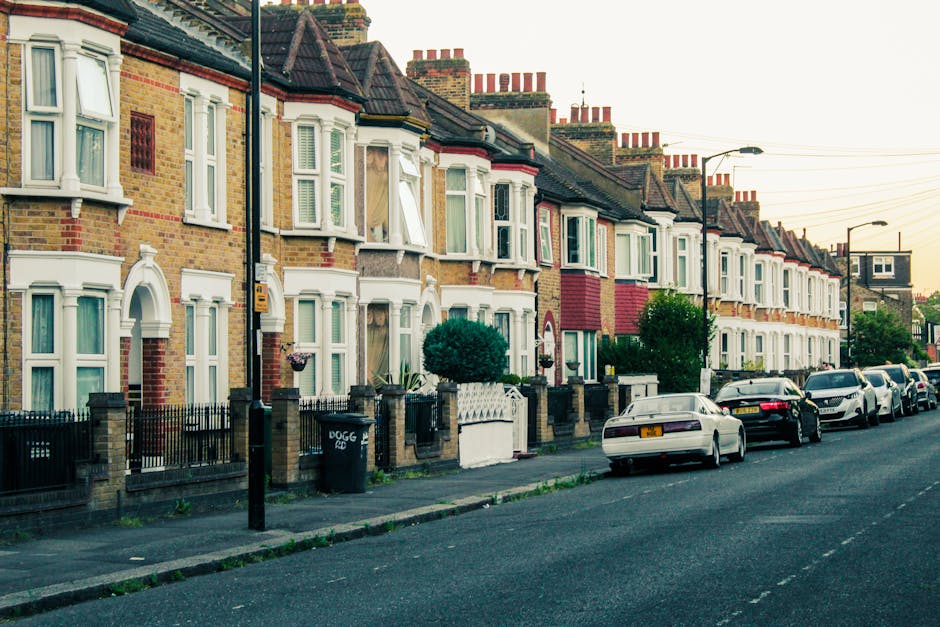
West Green is a busy part of north London, and like many London neighbourhoods, street space can be tight. Terraced homes, narrower roads, parked cars, busier junctions, and the general rhythm of city life all combine to make loading and unloading a moving van trickier than it first looks. A permit, or some form of parking arrangement, may be needed if the van will stop in a controlled bay, on a restricted street, or in a place where parking rules are actively enforced.
Why does that matter so much? Because moving day is already full of moving parts. If the van cannot stop close to the property, you get extra carrying distance, slower loading, more risk of damage, and more strain on everyone involved. That can be especially awkward with heavy furniture, mattresses, or awkward items that need careful handling. If you have ever tried to shift a wardrobe down a narrow pavement while a hatchback edges past, you will know the feeling.
For many households, permit planning is not about red tape for the sake of it. It is about keeping the move orderly. It can also help protect neighbours, avoid blocking access, and reduce the chance that a move creates tension on a street where people already have limited space. That is one reason seasoned movers treat parking as part of the removal plan, not an afterthought.
In practical terms, the right approach often depends on the street layout, the time of day, the size of the van, and whether your move is a quick load or a full house relocation. In West Green, those details matter. A lot.
How Haringey Council Permits for West Green Moving Vans Works
The exact parking arrangement for a moving van will depend on the local restrictions in place on your street and the type of stop required. In some cases, a short loading stop may be enough. In others, a formal parking permit or dispensation may be needed if the van needs to wait in a restricted bay, suspend a parking restriction, or stay in place for longer than a typical loading window.
Here is the simple version: you identify where the van needs to park, check what restrictions apply there, then arrange the appropriate permission or parking plan in advance. The key is not to leave it until the morning of the move. By then, you are in problem-solving mode and nobody wants to be making calls with a sofa halfway out the door.
Some moving jobs are straightforward. Others are not. A ground-floor flat on a quiet street may only need a quick loading stop. A first-floor flat on a narrow road with resident bays? That usually needs more thought. If there is limited kerbside access, you may also want to think about timing, route planning, and whether a smaller van would be smarter than a larger one. If you are weighing options, our man with a van West Green service overview can help you understand the sort of moving setup that often works best in tighter streets.
It is also worth remembering that parking rules are only one part of the picture. You still need to think about how long loading will take, whether the lift is working, whether the route from property to van is clear, and whether bulky items need dismantling first. The parking piece is important, yes, but it works best when it sits inside a wider moving plan.
Key Benefits and Practical Advantages
Getting the parking side right can make the whole move feel calmer. And calmer is good. Especially when you are handling keys, final meter readings, and a growing pile of things you forgot you owned.
- Less moving-day stress: you know where the van will go and do not have to negotiate last-minute parking chaos.
- Reduced carrying distance: shorter trips between property and van mean less fatigue and lower risk of damage.
- Better time control: fewer delays mean the schedule is more likely to hold.
- Safer handling: awkward items are easier to manage when the van is close.
- Lower chance of parking penalties: a proper plan helps you avoid unnecessary enforcement issues.
- Better neighbour relations: a tidy, respectful loading setup is simply less disruptive.
There is also a commercial benefit if you are using a removal firm. The more efficiently the van can load, the more likely the move is to stay on time. That can matter for hourly bookings, same-day jobs, or moves where access windows are tight. One small parking decision can affect the rest of the day. Not glamorous, but absolutely real.
For larger or more complex moves, good parking planning can also support a smoother packing sequence. If you are still deciding how to organise boxes, furniture, and fragile items, our guide to packing like a pro for your upcoming move is a useful companion read.
Who This Is For and When It Makes Sense
This topic matters to more people than you might think. If a moving van needs to stop on-street in West Green, you should at least consider whether parking permission is required or whether a loading arrangement will be enough.
It is especially relevant if you are:
- moving from or into a terraced house or flat on a narrow street
- booking a removal van that will need to stay close to the property for a while
- moving on a weekday morning when parking spaces are harder to find
- relocating bulky furniture, appliances, or fragile items
- sharing access with neighbours, landlords, or other residents
- planning a same-day move where speed matters
Students often run into this without expecting it. A small studio can still have awkward access, limited lift time, or a parking bay that is used up early. If that sounds familiar, it may be worth reading student move-in tips from Turnpike Lane to West Green as part of your planning.
It is not only for full house removals either. Even a single bulky sofa or bed frame can require more parking forethought than people expect. And if your move involves special care items, you may want to plan around loading conditions as much as you plan around packing. For example, a piano move is a different beast entirely. More on that in our article on hiring piano movers.
Step-by-Step Guidance
Here is a practical way to approach the parking side of your move without turning it into a second job.
- Assess the street first. Look at the property frontage, nearby bay markings, yellow lines, loading signs, and general traffic flow. Don't just guess from memory.
- Measure the van's likely parking need. Will it need a full bay? A short loading stop? Will it have to wait while a lift or access route clears?
- Check whether on-street restrictions apply. Restricted times, permit-only zones, loading limits, and shared-use bays all change the picture.
- Build the parking plan into the move timeline. Loading, parking, and carrying all affect each other. If one slows down, the rest do too.
- Confirm any required permission or arrangement in advance. The earlier you do this, the easier the day usually feels.
- Tell everyone involved. The driver, the helpers, the person with the keys, and anyone managing access should all know the plan.
- Prepare for a backup option. Streets change. A neighbour may have parked in the obvious spot. A delivery lorry may be there first. Life happens.
A small but useful trick: picture the first ten minutes of moving day in your head. Where does the van stop? Who opens the door? Which item comes out first? That little mental rehearsal can reveal access problems before they become actual problems.
If your route involves a busier main road or a tighter local turning pattern, it can also help to think through access strategy. Our guide on best removal routes near Downhills Park West Green gives a sense of how local route choice can influence the whole job.
Expert Tips for Better Results
In our experience, the best moving days look boring from the outside. That is a compliment. Nothing dramatic. No frantic parking hunt. No one standing in the road saying, "it'll be fine" in that tone that means it definitely won't.
- Plan around the street, not just the postcode. Two roads in the same area can behave very differently for loading access.
- Use smaller vehicle logic when needed. Sometimes a slightly smaller van means less parking stress and easier unloading.
- Keep the load sequence efficient. Heavy, awkward, or essential items should be placed so they can go in first without blocking the route.
- Pre-pack the "first out" items separately. Kettle, charger, toilet roll, bin bags, basic tools. You will thank yourself later.
- Protect the route from house to van. Doorways, hallways, and pavements are where scuffs and bumps tend to happen.
- Check the weather. Wet pavements and slippery steps can slow loading more than people expect, especially on a damp London morning.
Also, be honest about the size of the job. If the move is bigger than it first looks, a more structured service may be better than improvising on the day. That is exactly why many people review options such as removal services in West Green before locking in a plan.
And one more thing: if you know there are awkward objects like a mattress, sofa, freezer, or heavy chest of drawers, build that into the parking decision. It sounds obvious after the fact, but people forget. Then the mattress is at the door and the van is ten metres further away than it should be. Not ideal.
Common Mistakes to Avoid
Most moving headaches come from a handful of predictable mistakes. The good news? Predictable mistakes are the easiest ones to avoid.
- Leaving parking arrangements until the last minute. This is the big one.
- Assuming a loading bay is always enough. Not every bay works for every move or every duration.
- Forgetting about access time limits. A short stop can be fine for a few boxes, not always for a full household.
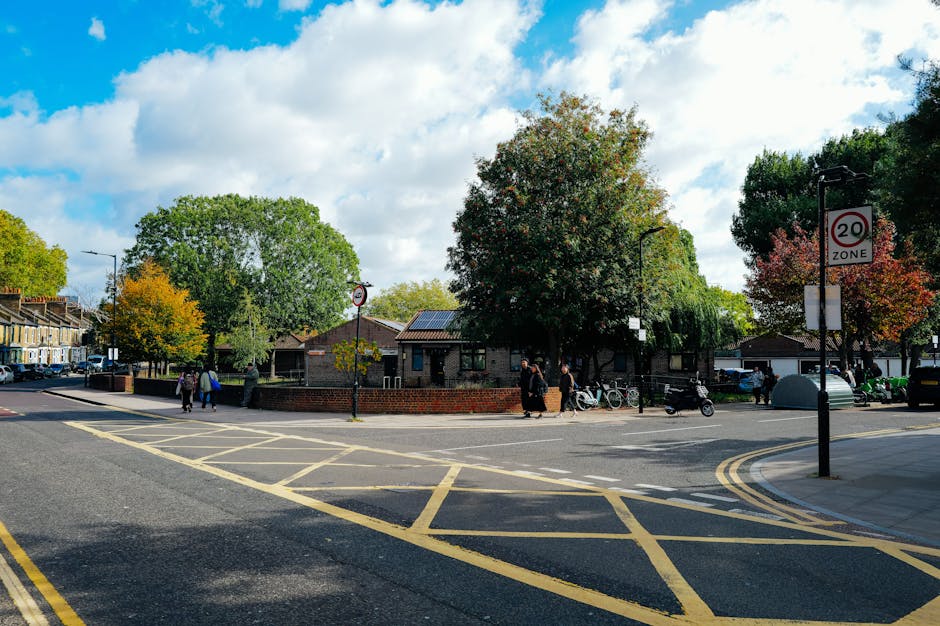
- Ignoring narrow-road realities. West Green includes streets where one poorly placed vehicle can cause a chain reaction of inconvenience.
- Not communicating with the mover. If the van driver is not told about access issues, the plan can unravel quickly.
- Overestimating how fast loading will be. Heavy items, stairs, and awkward furniture all slow things down.
There is also a quieter mistake: not preparing the inside of the home. If the hallway is cluttered, the parking is only half the battle. A clear route inside matters just as much. For that side of the move, it helps to look at avoid damage in narrow West Green terraced homes before moving day arrives.
And while we are on the subject, do not forget disposal. If a move is a chance to remove bulky items, plan that separately rather than trying to bolt it onto an already busy schedule. Our guide on urgent bulky waste moves in West Green is useful for that sort of situation.
Tools, Resources and Recommendations
You do not need a bag full of specialist gear to handle a move well. But a few simple tools and habits can make the parking and loading side much smoother.
- Notebook or phone notes: keep a simple record of access details, timings, and who is responsible for what.
- Photos of the street and entrance: useful when discussing access with a mover or helper.
- Measuring tape: helpful for checking furniture dimensions, doorway widths, and tight spots.
- Trolley or sack truck: a small item that can save a lot of back strain.
- Labels and colour-coded stickers: not glamorous, but very useful when you need the right boxes near the van first.
- Basic toolkit: for dismantling furniture or removing awkward legs, shelves, or handles.
For related planning, you may also find these guides useful:
- effective decluttering strategies for moving
- quick and easy home cleaning tips before a move
- efficient solo techniques for heavy lifting
- packing and boxes in West Green
If you are storing items between homes, it is also worth thinking about load order and long-term protection. Our article on sofa storage tips for long-term safety can help if your move is split over more than one day.
Law, Compliance, Standards, or Best Practice
Parking and loading near a home move is not just a practical matter; it also sits within wider local rules about road use, obstruction, and safe access. The precise requirements can vary by street, bay type, and enforcement conditions, so it is wise to treat any permit or dispensation requirement carefully rather than casually assuming loading is automatically allowed.
Best practice in a moving context usually means the following:
- do not obstruct access for residents, emergency services, or deliveries
- respect time-limited loading rules and bay restrictions
- plan for safe pedestrian movement around the van
- keep the loading area as clear as possible
- avoid forcing a stop where it clearly creates a hazard or blocks the road
If you are using a professional mover, they should be used to working within local parking constraints and should take reasonable steps to keep the move compliant and orderly. Still, it is smart to ask questions. Which side of the road will the van use? Will the driver need to wait? Is there a backup plan if the nearest space is taken? Those are fair questions, not fussiness.
For business moves, the same common sense applies, only with more pressure. Time windows are tighter, entrances may be shared, and access rules can have knock-on effects on tenants or colleagues. If that sounds like your situation, our office removals West Green page is a useful reference point, and so is the broader services overview.
Options, Methods, or Comparison Table
Different moving setups suit different streets. Here is a simple comparison to help you think through the practical side.
| Approach | Best for | Pros | Trade-offs |
|---|---|---|---|
| Quick loading stop | Small moves with easy frontage access | Simple, fast, low planning burden | Not always suitable for busy streets or longer loading times |
| Formal parking permission or arrangement | Restricted streets, bay parking, longer stops | More predictable, better for controlled access | Needs advance planning and clear details |
| Smaller van with closer access | Narrow roads or awkward parking areas | Easier manoeuvring, often better for West Green streets | May require more trips if the load is large |
| Full removal service with structured access planning | Larger house moves or time-sensitive jobs | More coordination, less stress on the day | Usually costs more than a basic van-only arrangement |
The right choice depends on the property, the street, the amount of furniture, and how much time you have. There is no magical one-size-fits-all answer. If there were, moving house would probably be a lot less miserable.
For many families, the better comparison is not "permit or no permit?" but "what is the least stressful way to complete this move safely and legally?" That is a much more useful question.
Case Study or Real-World Example
Picture a typical West Green move on a weekday morning. A couple are leaving a first-floor flat with two sofas, a bed, a freezer, and a stack of boxes that looked manageable until they were all lined up by the front door. The street has limited parking, a few resident bays, and plenty of cars already in place by 8:30 a.m.
Without a plan, the van driver would likely spend time circling for space. The team would then carry furniture farther than necessary, and the move would creep into the next part of the day. With a bit of planning, though, the loading point is chosen in advance, the access route is cleared, the heavy items are staged near the exit, and the move flows in a predictable sequence. Not perfect, just smoother. And smoother is what people usually want.
The same logic works for smaller jobs too. A student move, for example, may involve fewer items but more urgency, less storage, and tighter timing around building access. That is why practical planning matters even when the move itself is not huge. For a more student-specific angle, have a look at student removals in West Green.
One of the most common things people say afterwards is, "I didn't realise the parking part would make such a difference." It really does.
Practical Checklist
Use this checklist in the days before your move. It is simple, but that is the point.
- Confirm the property address and exact street access point
- Check the parking restrictions near the front of the property
- Decide where the van should stop and whether that is realistic
- Speak to your mover about loading time and van size
- Measure large furniture and awkward items in advance
- Clear the hallway, stairs, and front entrance
- Pack a clearly labelled essentials box
- Set aside tools for dismantling furniture if needed
- Plan for weather, especially rain or slippery paths
- Keep a backup parking option in mind
- Make sure everyone involved knows the schedule
- Double-check any special access rules for flats or shared buildings
If you are still at the early planning stage, this is also a good time to compare moving options and budget. Our pricing and quotes page can help you think through the commercial side without rushing it.
Conclusion
Haringey Council Permits for West Green Moving Vans are really about one thing: making sure your moving day works in the real world, not just on paper. In a neighbourhood where street space can be tight and access often needs a bit of thought, parking planning is not a detail. It is part of the move itself.
If you take away one thing from this guide, let it be this: do the access plan early, keep it simple, and build in a backup. That alone can save a surprising amount of stress. Whether you are moving a few streets away or across London, a well-handled parking setup helps everything else fall into place more easily.
And if you are feeling a bit overwhelmed, that is normal. Most people are, at least a little. The good news is that the job gets much easier once the practical bits are mapped out. One step at a time. That's how it usually works.
Get a free quote today and see how much you can save.